

Photo by Pexels
Author: Emily Graham
For sustainable living beginners, busy renters, first-time homeowners, and growing families trying to lower their footprint, home sustainability challenges can feel endless and expensive. The biggest frustration is doing “a little bit of everything” and still watching energy consumption in households, water waste, trash, and impulse buying quietly add up. The fastest momentum comes from focusing on the areas where daily habits and systems create the most drag, from water conservation methods to waste reduction strategies. With a clearer focus and more mindful purchasing decisions, sustainable changes start to feel doable and worth repeating.
Quick Sustainability Takeaways
- Start with energy efficiency improvements to lower home energy use.
- Switch to water-saving fixtures to cut daily water consumption.
- Reduce single-use plastics by choosing reusable alternatives.
- Improve household waste management through smarter sorting and disposal.
- Build sustainable purchasing habits by buying more mindfully and intentionally.
Cut Heating and Cooling Waste With Smart HVAC Upkeep
After you’ve tackled a few quick, high-impact swaps, your heating and cooling system is one of the biggest places to reduce ongoing energy waste. Upgrading or repairing your HVAC can make a noticeable difference in home energy efficiency because it helps the system run the way it’s meant to, using less energy to deliver the same comfort. That translates to lower utility costs and, over time, a more sustainable home as you cut back on unnecessary power use season after season. When a repair is the most efficient next step, quality matters: if you need to order replacement components, choose reputable suppliers so you get durable, compatible HVAC parts that fit your system and hold up long-term.
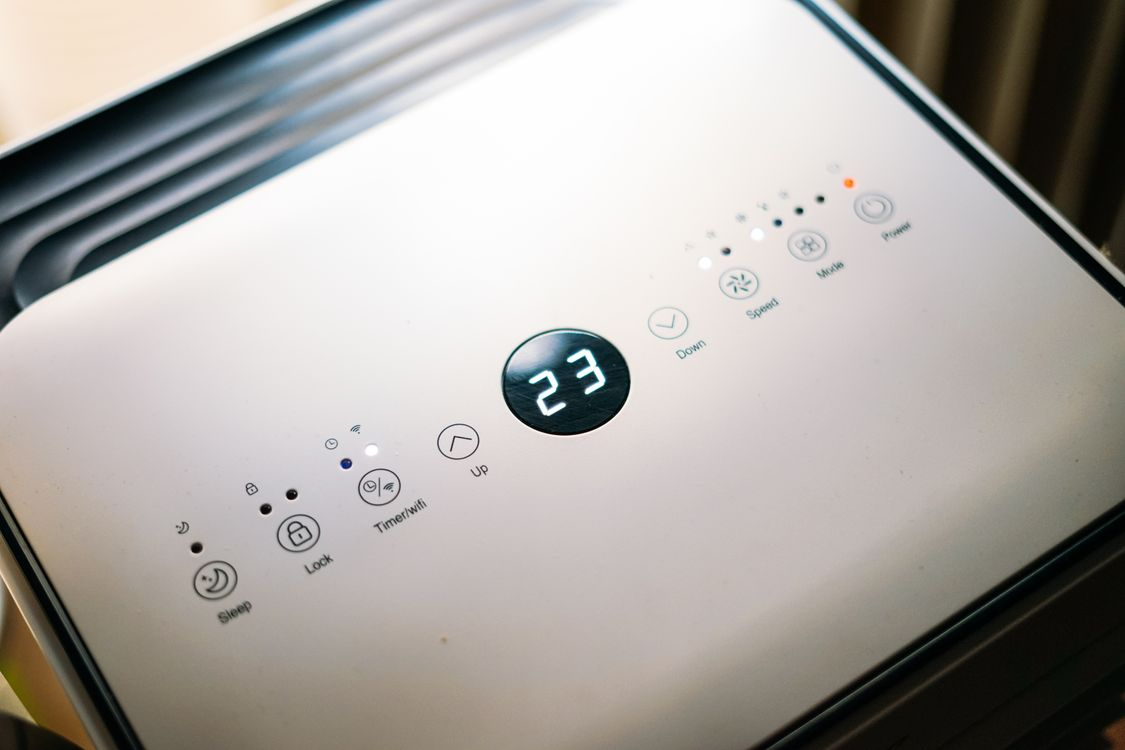
Photo by Pexels
Use This Room-by-Room Plan to Shrink Your Footprint
Pick one room at a time and focus on changes that cut energy use, save water, and reduce trash first, those usually deliver the biggest impact fastest. Use this as a simple order of operations, then build from there.
- Start in the “mechanical room”: seal air leaks, then set your HVAC up to win. After you’ve handled the HVAC upkeep basics (clean filters, clear vents, tuned equipment), make sure you’re not paying to heat or cool the outdoors. Spend 30 minutes with weatherstripping, door sweeps, and caulk around obvious gaps at doors, windows, and pipe penetrations. Once the leaks are smaller, you can often lower your thermostat a degree or two without feeling it, because your maintained system isn’t fighting constant drafts.
- Living room + home office: cut standby power and upgrade lighting with intention. Do a quick “vampire load” sweep: anything with a tiny LED or warm power brick is using energy when you’re not actively using it. Plug your TV setup, game console, speakers, and desk gear into a switchable power strip and turn it off overnight or during work hours. If you haven’t already, swap remaining bulbs to LEDs and choose warmer color temperatures for living spaces so the upgrade actually sticks.
- Kitchen: reduce food waste first, then tackle packaging. Food waste is a double-hit, resources to grow it, plus methane when it decomposes, so build a simple system: keep a visible “eat first” bin in the fridge and plan 2 leftover-friendly meals each week. Then make packaging reduction easier by creating a reuse station (jars, containers, tote bags) where you’ll actually grab it on the way out. If you compost, keep the countertop bin small so it gets emptied frequently and doesn’t become a chore.
- Bathroom: tighten water use with quick retrofits and smarter routines. Start with the easiest wins: fix drips, install a low-flow showerhead, and add faucet aerators, these are low-cost upgrades that don’t change your daily experience much. Use a 5-minute shower timer for a week to find your realistic baseline, then trim by 30–60 seconds at a time. For toilets, a simple leak test with dye in the tank can reveal silent water loss.
- Laundry room: wash colder, dry smarter, and stop micro-mistakes. Switch most loads to cold water and save hot for truly oily or hygienic needs; it’s a straightforward energy cut. Clean the lint filter every load and check the vent monthly so the dryer finishes faster and stays safer. When possible, run full loads and use high spin speeds, less water in the fabric means less drying time.
- Whole-house waste plan: make “less trash” the default. Many households underestimate how fast waste adds up, an average American produces about 4.4 pounds of trash every day. Set up three clearly labeled bins (recycling, compost, landfill) where waste actually happens, not where you wish it happened, and keep a small “hard-to-recycle” box for drop-offs. Pair that with mindful consumer behavior: wait 24 hours on non-essentials, choose durable over disposable, and prioritize refillable or minimally packaged sustainable product choices.
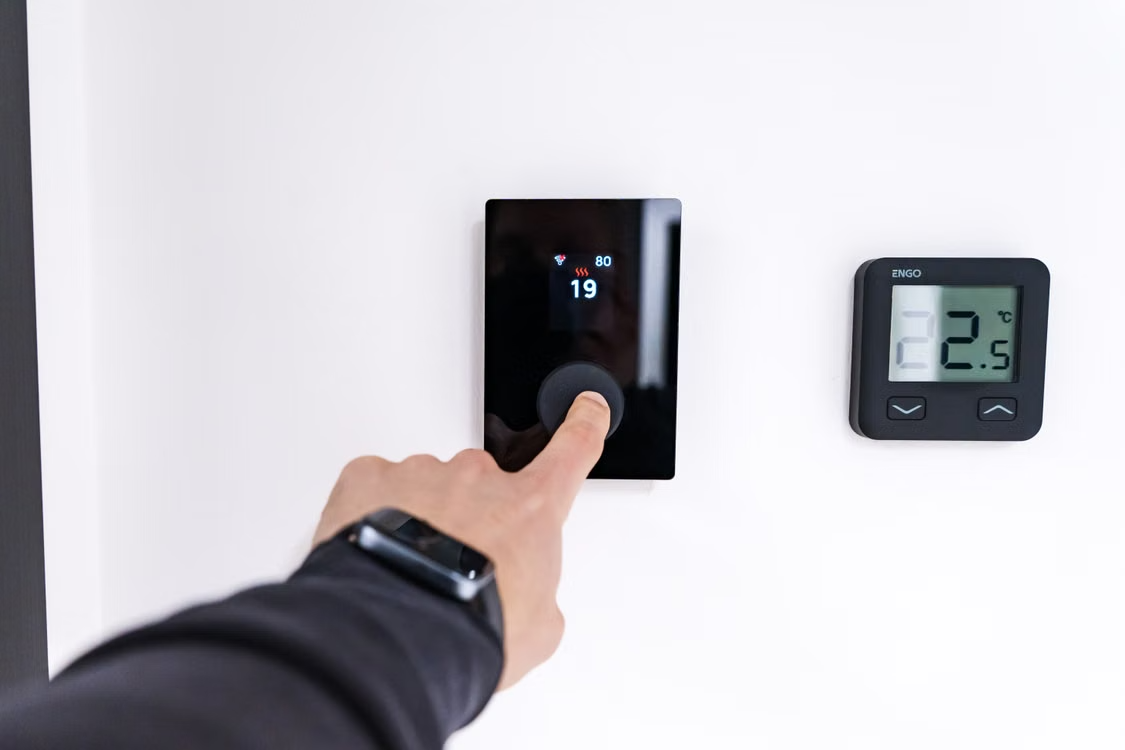
Photo by Pexels
Habits That Make Sustainable Changes Stick
One-time upgrades matter, but your day-to-day behavior is what keeps savings and waste reductions rolling. Give yourself time too, since habits take at least two months to feel automatic for many people.
The Two-Minute Power-Down
- What it is: Switch off power strips and chargers before bed or leaving home.
- How often:
- Why it helps: It trims idle electricity use without changing comfort.
Leak Look-Listen
- What it is: Check under sinks and around toilets and listen for running water.
- How often:
- Why it helps: Household leaks can waste serious water over time.
Leftover First Pick
- What it is: Choose one “use me next” item before cooking a new meal.
- How often:
- Why it helps: It prevents food from being forgotten and tossed.
One Bag, One Bottle Reset
- What it is: Restock a tote bag and reusable bottle by the door.
- How often: Per outing.
- Why it helps: It makes low-waste defaults easier than convenience buys.
Laundry Efficiency Check
- What it is: Run full loads, use cold water, and clean the lint screen.
- How often: Every load.
- Why it helps: It cuts energy use and helps clothes last longer.
Build a Long-Term Sustainable Lifestyle With Two Simple Changes
It’s easy to feel like sustainable living requires a total home overhaul, especially when time and budgets are tight. The steadier path is the mindset you’ve practiced here: focus on a few high-impact choices, repeat them until they become lasting sustainable home habits, and let progress build naturally. As those routines settle in, the impact of energy savings and reduced waste becomes obvious, and the cumulative environmental benefits keep growing with little extra effort. Small changes, repeated daily, create a truly sustainable home. Choose your first two changes today and track what you save in bills and what you keep out of the trash. That’s how empowerment through small changes turns into a resilient, healthier long-term sustainable lifestyle.