Photo by Vitaly Gariev
Author: Emily Graham
For organizations advocating for clean water access, local clean water events can feel like a constant uphill climb: interest is high online, but event turnout issues show up in real life. Even when people attend, community engagement challenges often turn the day into passive versus active participation, lots of listening, few next steps, and momentum that fades by Monday. The core tension is that clean water work depends on collective effort, yet many events are built like one-time presentations instead of community experiences. With the right event framing, these gatherings can become reliable touchpoints for building local momentum.
Understanding What Makes Events Feel Magnetic
At the heart of an engaging local clean water event is simple human psychology: people return to places where they feel like they belong and where their presence matters. That happens when you build shared identity, design for participation over presentation, and add clear welcome signals that reduce awkwardness and uncertainty. A belonging cue definition is any signal that tells someone they are valued, included, and accepted.
This matters because “good information” rarely turns into action by itself. When people connect with others and take even one small step during the event, they leave with a story about who they are with you, not just what they heard.
Think of the difference between watching a recital and joining a neighborhood potluck. The potluck works because everyone contributes, roles are obvious, and newcomers get guided into the flow through signals or behaviors that say, “You’re welcome here.”
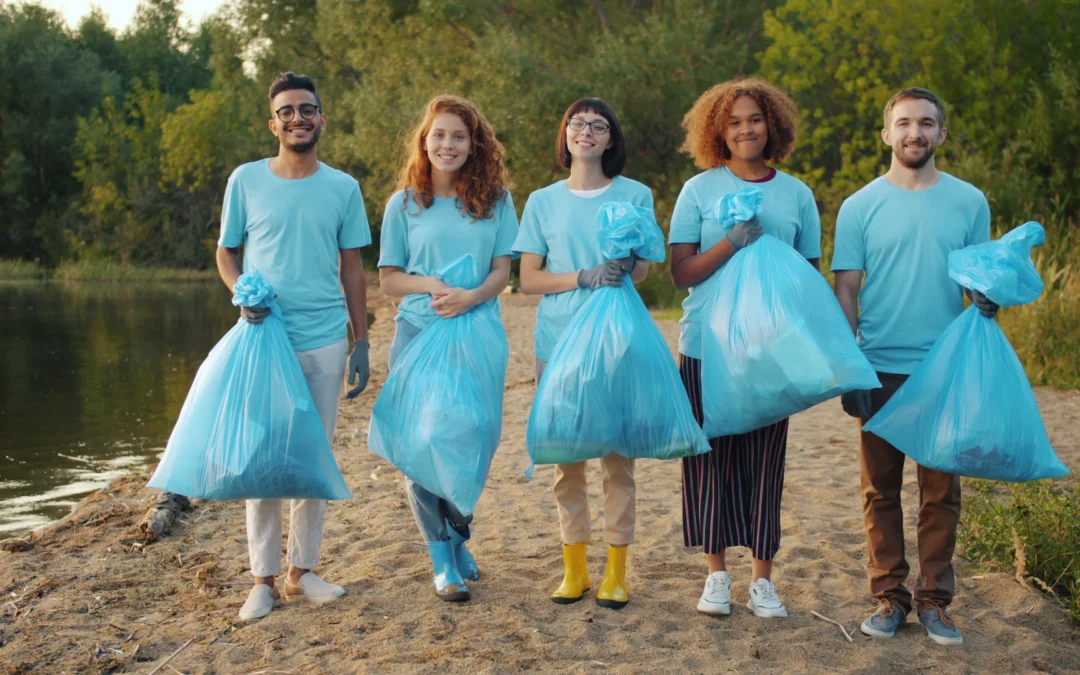
That same sense of belonging can be reinforced with what your team wears.
Build a Visible Team Identity With Coordinated Hoodies
When an event feels magnetic, people can spot the “we’re in this together” energy, and coordinated apparel makes that feeling instantly visible.
Custom apparel helps clean water events feel more welcoming and memorable by giving volunteers and attendees a shared identity they can literally wear. Branded hoodies, shirts, and other simple merchandise make it easy to recognize who’s organizing, who can answer questions, and who’s part of the same effort, reducing awkwardness and encouraging more participation. Matching gear also sparks natural conversations (“Where’d you get that hoodie?” “What’s today’s event about?”) that can pull in curious passersby and help attendees connect.
Just as importantly, well-made event apparel keeps working after the event ends: a hoodie worn at the grocery store or a shirt reused at another gathering becomes a low-pressure reminder of the cause and a visible sign of community pride. To keep the process easy, choose an online custom printing platform with design tools that don’t require graphic skills, group ordering options for different sizes, and a broad selection, starting with a comfortable custom hooded sweatshirt that people will actually want to wear again.
With the team identity in place, you can plan the kinds of activities that invite people to join in, not just watch from the sidelines.
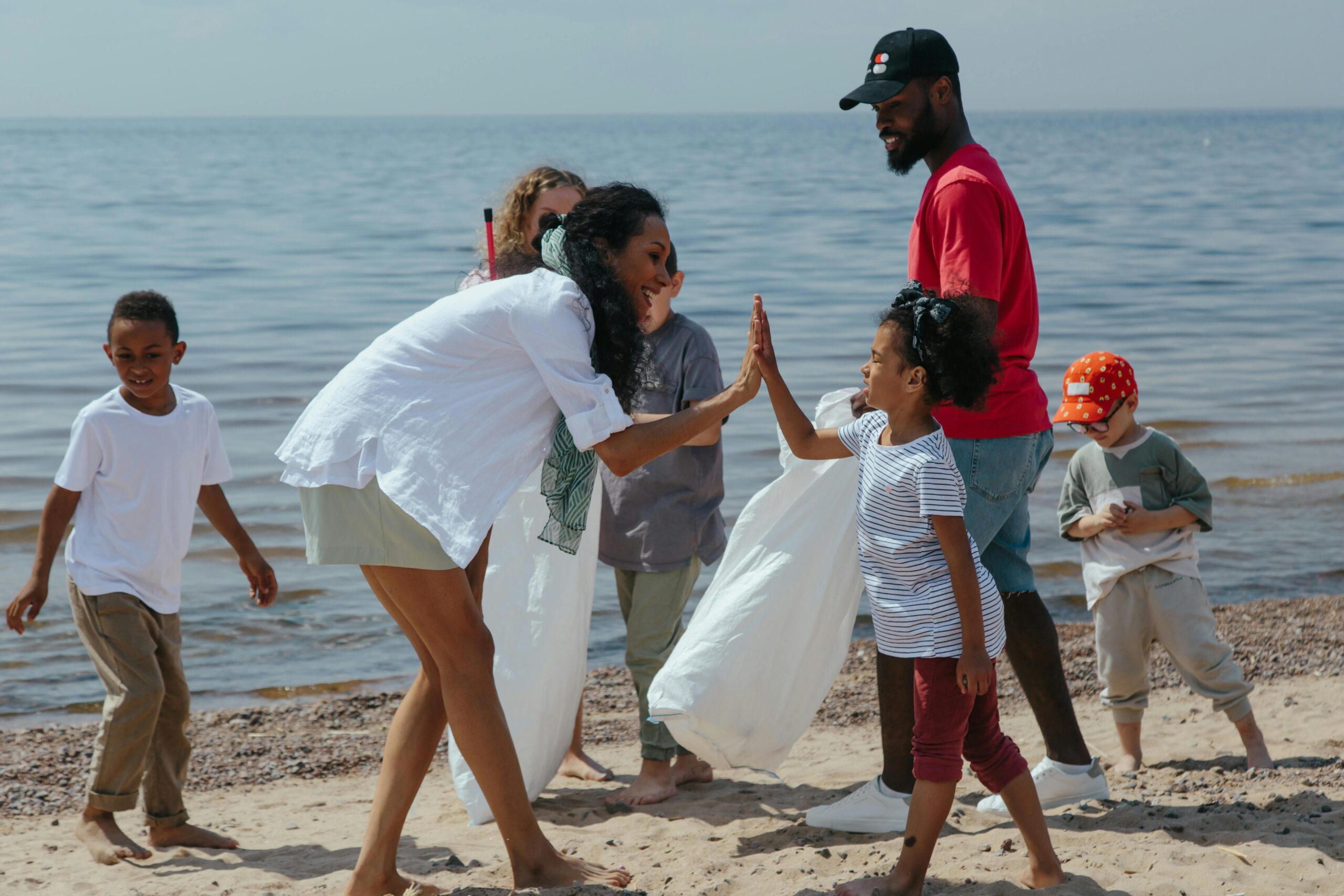
Photo by Ron Lach
Plan an Event People Join, Not Just Watch: A Practical Menu
A clean water event feels different when people can do something the minute they arrive. Use this mix-and-match menu to turn supporters into participants and neighbors into partners.
- Design “arrival-to-action” in the first 5 minutes: Set up a check-in table staffed by your hoodie-wearing team so newcomers instantly know who to ask for help and where to go. Give every attendee a simple “choose your path” card with 2–3 options (sign a postcard, test a water sample, join a cleanup crew) so no one defaults to standing on the sidelines. This works because momentum is easiest to build before people settle into spectator mode.
- Run interactive advocacy stations people can finish in under 3 minutes: Replace long speeches with small, fast actions: a “Write to Council” bar with pre-addressed cards, a “My Water Story” prompt wall with sticky notes, or a “Map the Problem” table where neighbors mark storm drains, flooding spots, or suspected runoff areas. Keep each station self-contained with one volunteer, one clear instruction sign, and a visible “done” bin so progress feels real. Aim for 3–5 stations max, so your team can support them well.
- Build partnerships with local groups that already have trust: Invite a PTA, neighborhood association, faith group, paddling club, or local health clinic to co-host one station or bring a small service (kids’ craft table, snacks, first-aid presence, translation support). Offer clear roles: “You bring two volunteers; we provide the materials and signage.” This strengthens local ties because attendees see familiar faces, and partner groups are more likely to bring their own members.
- Use storytelling that invites conversation, not just applause: Plan a short “story circle” with 3 prompts such as “A time water affected my family,” “Something I love about our river,” and “One change I’d support.” Keep shares to 60–90 seconds, then pair people up for a 2-minute reflection (“What did you hear that surprised you?”). Community programs show storytelling is effective for building connection and amplifying voices, which makes it easier for strangers to collaborate afterward.
- Make event design do the work: sightlines, sound, and flow: Put your action stations around the edges and keep the center open so people can move without bottlenecks. Use simple wayfinding, three big signs, and color-coded tablecloths, so families and first-timers can navigate without asking. Place your “wins board” (petitions signed, drains stenciled, samples tested) near the exit so people leave seeing impact.
- Close with a clear, shared commitment and an easy next step: End with a 5-minute wrap-up where your visible team thanks partners by name and invites one specific action within 7 days (show up to a meeting, adopt-a-drain, host a living-room info night). Offer two sign-up levels, “30 minutes this month” and “2 hours this month”, so busy households can still participate. These choices also make it easier to budget supplies, plan volunteer coverage, and track what changed after the event.
Photo by Ron Lach
Clean Water Event Planning Questions, Answered
Real-world planning questions come up fast. Here are clear answers.
Q: How can we keep costs low without making the event feel cheap?
A: Choose actions that rely on people power, not pricey materials, like postcard writing and simple mapping boards. Ask local partners to “adopt” one supply category, such as snacks, printing, or gloves. Community grantmakers sometimes fund small projects, and $1.4 million in grants shows what organized local initiatives can attract.
Q: What should we do if turnout is unpredictable?
A: Plan for two sizes: a “small crowd” setup with 2 stations and a “full crowd” setup with 4 to 5. Use RSVP plus walk-in friendly signage, and schedule one short peak moment, like a 10-minute story circle, so late arrivals still catch the energy.
Q: How do we coordinate volunteers so it does not feel chaotic?
A: Keep roles tiny and timed, such as 30-minute shifts for greeters, floaters, and station leads. Share one page with the event goal, the flow, and three phrases volunteers can use to guide people.
Q: How can we measure impact beyond headcount?
A: Track three simple numbers: actions completed, new sign-ups by time commitment, and partner groups represented. Add one quick exit question on a card: “What will you do in the next 7 days?”
Q: When should we start outreach, and what actually brings people in?
A: Start 3 to 4 weeks out, then repeat reminders weekly with one clear benefit each time. Personal invitations beat broadcasts, so ask each partner to bring five people and name them.
Small, clear choices turn a good gathering into real community momentum.
Turn Local Clean Water Events Into Lasting Community Partnerships
It’s hard to host a clean water event that feels energizing in the moment but doesn’t fade once the tables come down. A connection-first approach, simple, consistent choices that prioritize attendee connection alongside clear advocacy strategies, helps people move from passive interest to motivating community participation. When planning, volunteer coordination, and impact tracking support that mindset, one-time attendees become ongoing partners who strengthen the building of lasting clean water communities. Connection turns a one-day event into a clean water community. Pick one upgrade for your next event planning next steps, one change that makes it easier for people to meet, be heard, and stay in touch. That ongoing engagement matters because reliable local relationships are what sustain health and resilience.